
Smart Lift Automation for Commercial Buildings
In modern commercial buildings, efficient vertical transportation is essential for ensuring smooth operations and a positive user experience. Smart lift automation has transformed the way elevators function by integrating advanced technologies that improve efficiency, safety, energy management, and passenger convenience. As commercial spaces continue to grow in size and complexity, smart lift systems have become a vital component of intelligent building infrastructure.
What is Smart Lift Automation?
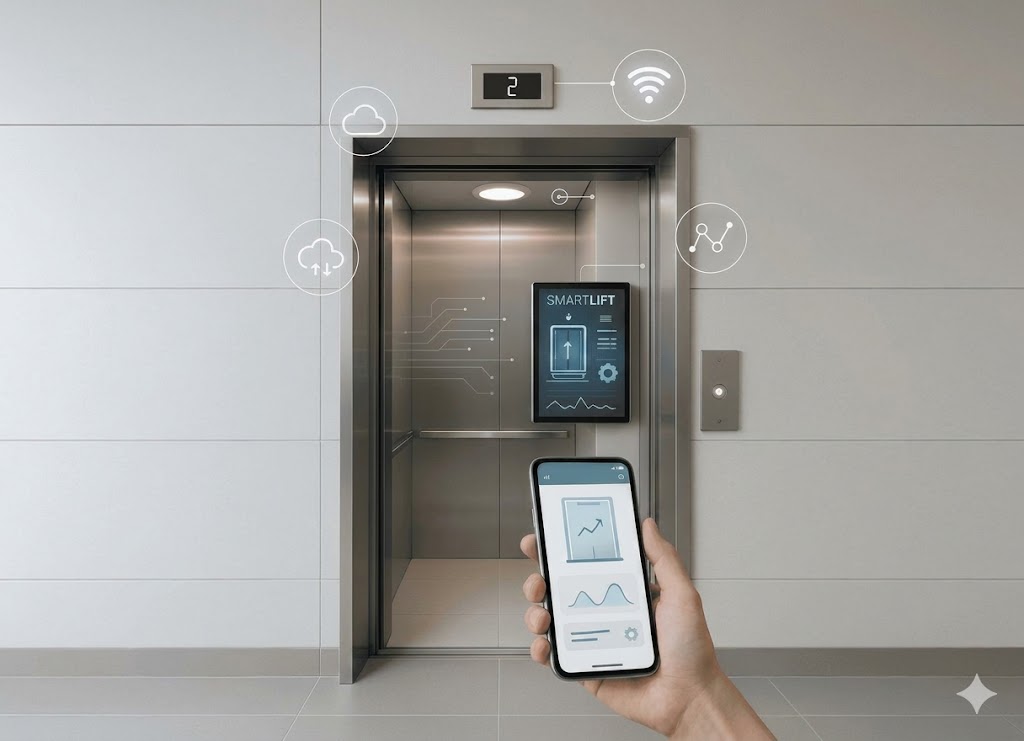
Smart lift automation refers to the use of advanced control systems, sensors, artificial intelligence, and connectivity technologies to optimize elevator performance. These systems monitor traffic patterns, manage elevator movements efficiently, and provide real-time data for maintenance and operational improvements.
Enhanced Passenger Experience
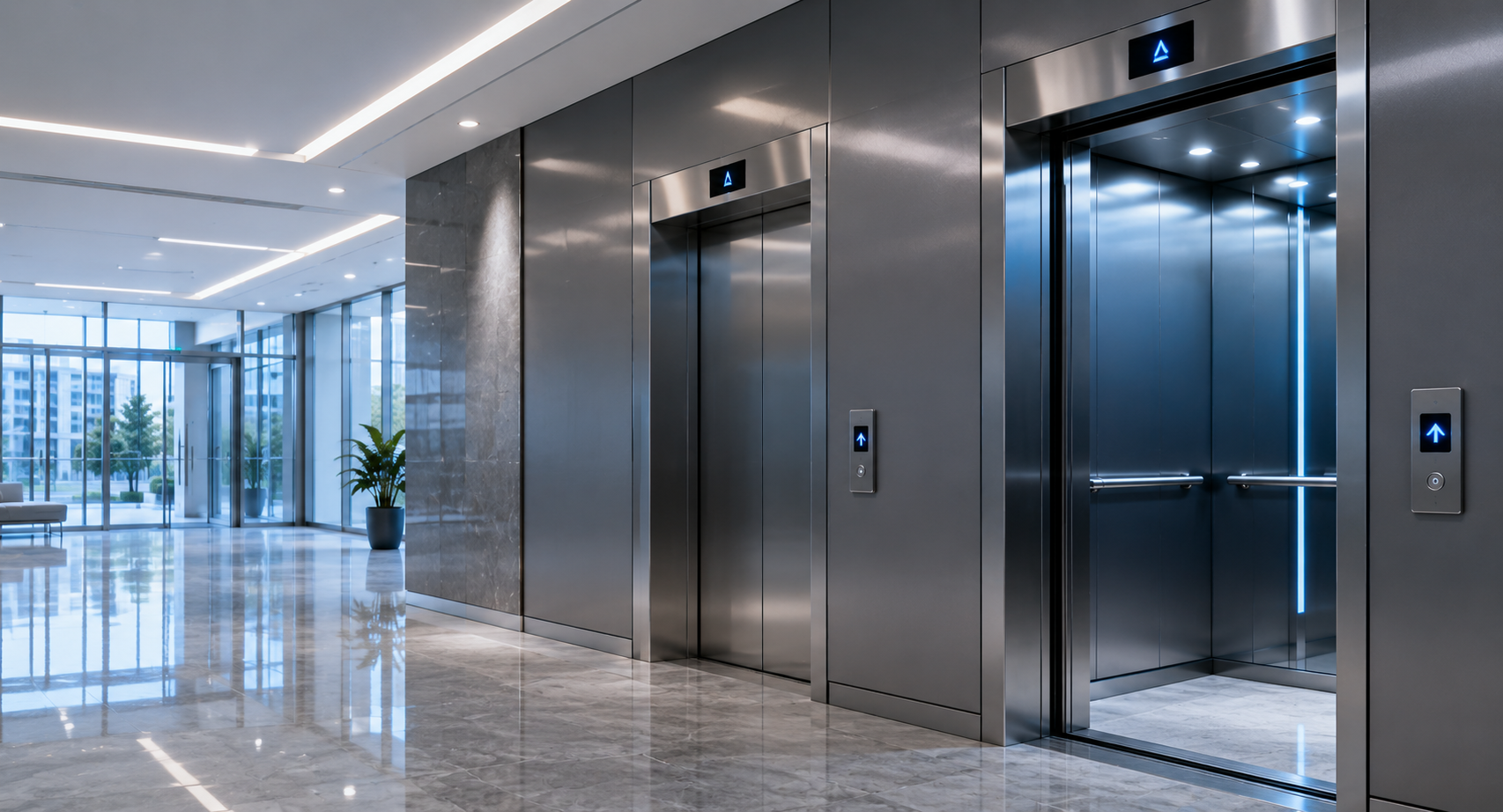
One of the primary benefits of smart lift automation is improved passenger convenience. Intelligent dispatch systems analyze traffic flow and assign elevators more efficiently, reducing waiting times and ensuring faster travel between floors. This creates a seamless experience for employees, visitors, and tenants within commercial buildings.
Improved Energy Efficiency
Traditional elevators often consume unnecessary energy due to inefficient operation. Smart lift systems utilize energy-saving technologies such as regenerative drives, standby modes, and optimized routing algorithms. These features help reduce electricity consumption while maintaining high performance, contributing to lower operational costs.
Advanced Safety Features
Safety remains a top priority in commercial buildings. Smart lift automation includes features such as real-time monitoring, emergency communication systems, overload detection, automatic fault reporting, and predictive maintenance alerts. These technologies help prevent unexpected breakdowns and ensure safer operation for passengers.
Predictive Maintenance and Monitoring
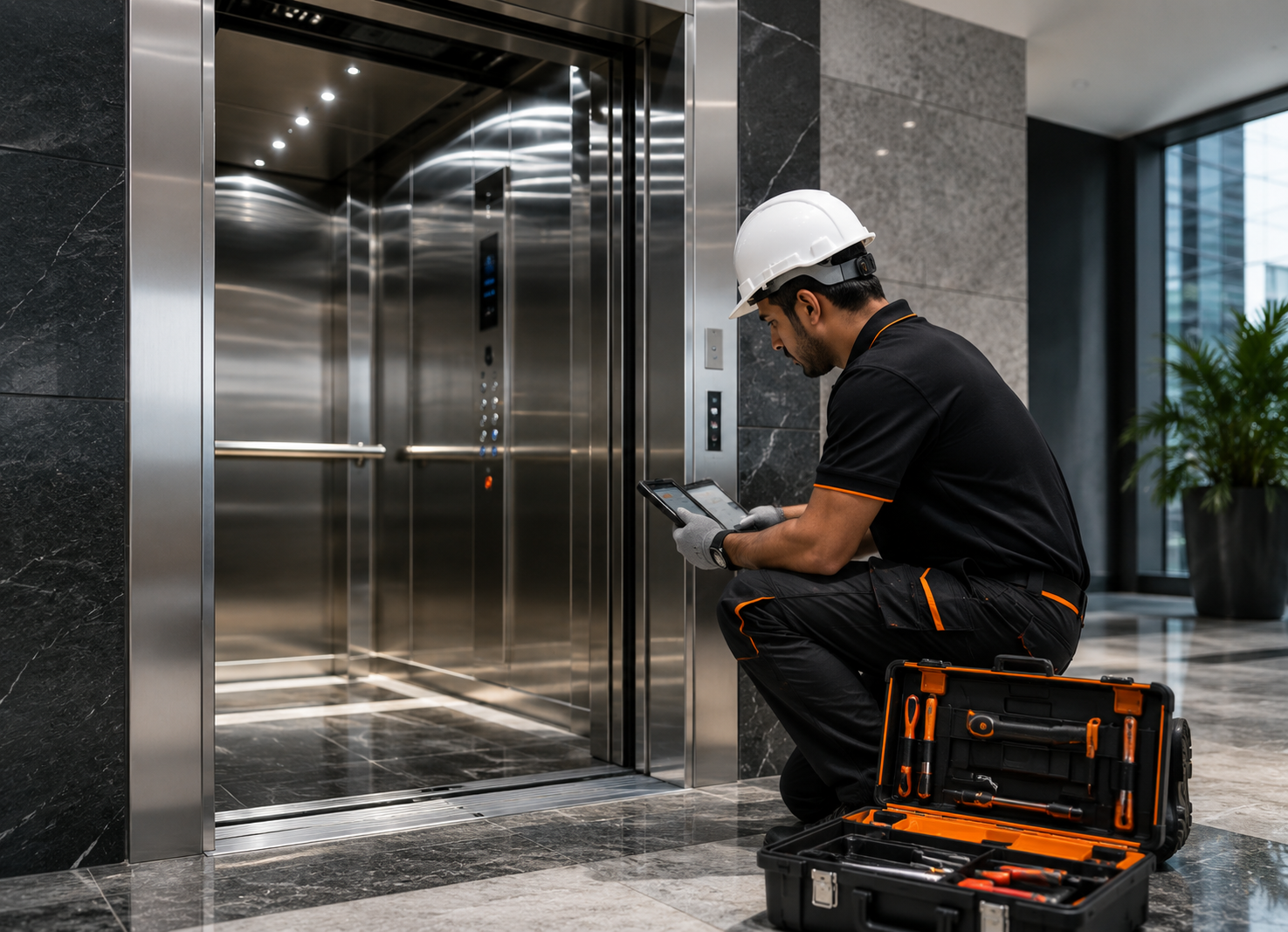
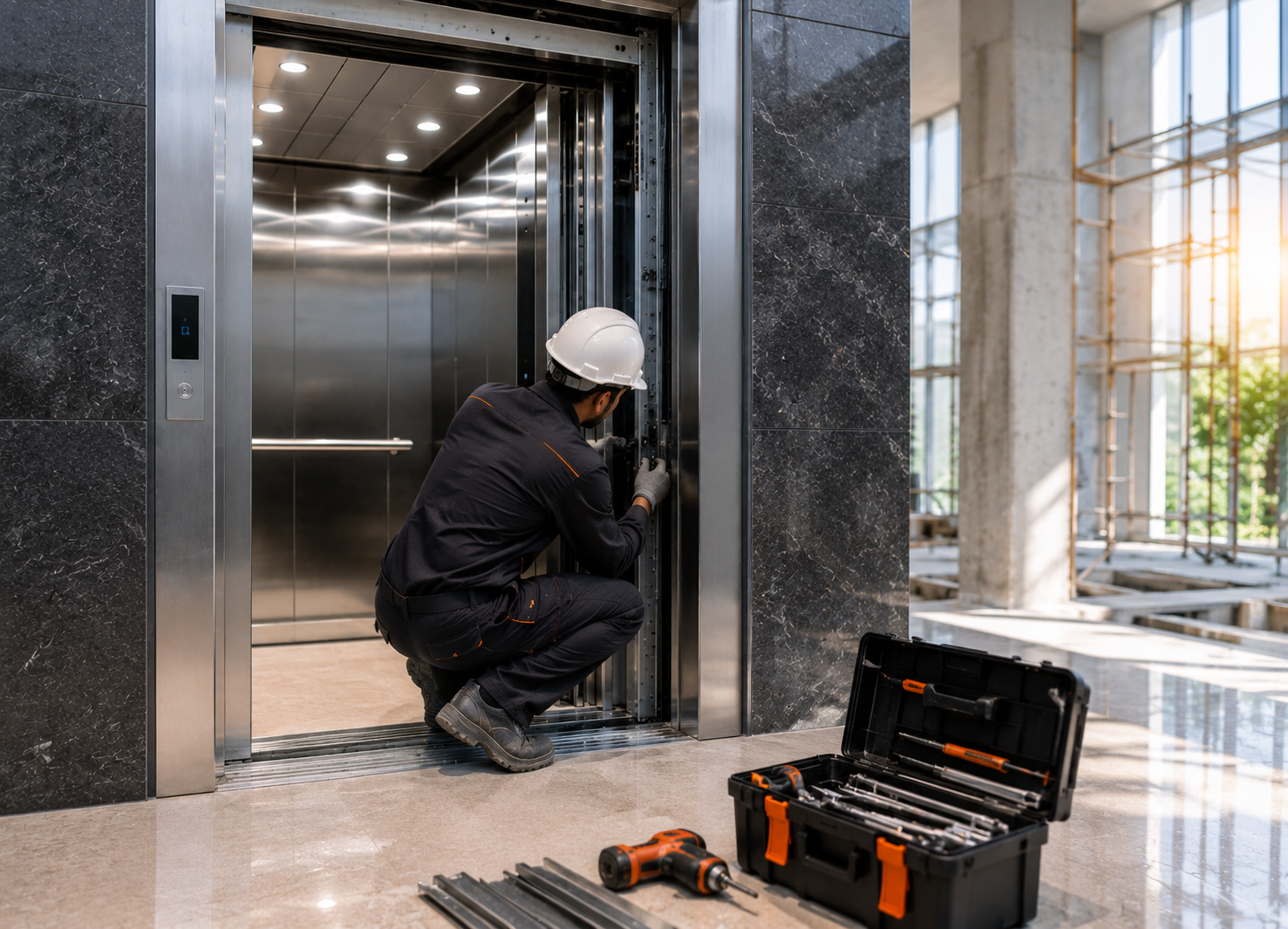
Modern smart elevators continuously collect operational data that can be analyzed to identify potential issues before they become major problems. Predictive maintenance minimizes downtime, reduces repair costs, and extends the lifespan of lift equipment. Building managers can monitor elevator performance remotely and receive instant notifications when maintenance is required.
Integration with Smart Buildings
Smart lift systems can seamlessly integrate with other building management systems, including access control, security, energy management, and IoT platforms. This integration enables centralized monitoring and improved coordination between different building functions, creating a more intelligent and efficient environment.
Increased Property Value
Commercial properties equipped with advanced lift automation systems are often more attractive to tenants and investors. Efficient transportation, enhanced safety, and modern technology contribute to a higher-quality building experience and can increase the overall value of the property.
Future of Commercial Mobility
As urban development continues to accelerate, smart lift technology will play an increasingly important role in commercial infrastructure. Innovations such as AI-powered traffic management, touchless controls, cloud connectivity, and advanced analytics are shaping the future of vertical transportation.
Conclusion
Smart lift automation is revolutionizing commercial buildings by improving efficiency, reducing energy consumption, enhancing safety, and delivering a superior passenger experience. By investing in intelligent elevator solutions, businesses and property owners can create smarter, more sustainable, and future-ready buildings that meet the demands of modern urban environments.